The physical atmosphere of an office or industrial facility plays a definitive role in the overall performance and morale of the workforce. A workplace that is too hot, too cold, or poorly ventilated can lead to a significant decrease in focus and an increase in physical fatigue among staff members.
To maintain a competitive edge, business owners must look beyond basic furniture and decor, focusing instead on the invisible systems that regulate comfort.
By creating a balanced and inviting setting, you demonstrate a commitment to your team’s well-being, which ultimately results in higher retention rates and a more motivated employee base.
1. Optimizing Climate Control with Commercial HVAC Services
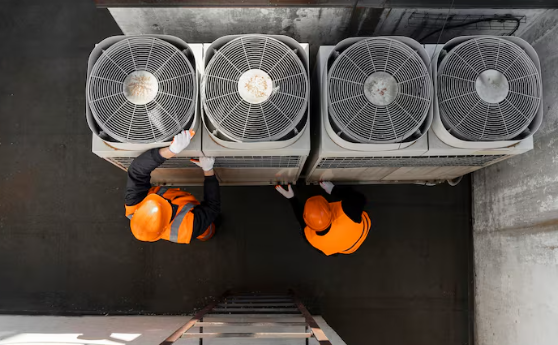
Temperature regulation is the cornerstone of indoor comfort. Engaging professional commercial hvac services is the most effective way to ensure that your heating and cooling systems are performing at their peak.
These experts can perform regular system audits to balance airflow and calibrate thermostats, preventing the common problem of some office areas being freezing while others are stifling.
By utilizing commercial HVAC services, you ensure that the air remains at a consistent, comfortable temperature throughout the year, allowing your employees to remain focused on their tasks rather than their physical discomfort.
2. Safeguarding Staff Amenities via Commercial Refrigeration Contractors
In modern business environments, the breakroom is a vital space for rest and recovery. To keep communal food and beverage storage safe and reliable, it is important to work with expert commercial refrigeration contractors.
These professionals maintain the cooling units that store fresh lunches and beverages, ensuring that compressors and seals are in top condition.
By hiring commercial refrigeration contractors to perform routine checks, you prevent the inconvenience and health risks associated with failed appliances. A well-maintained breakroom shows employees that their basic daily needs and comfort are a priority for the organization.
3. Enhancing Natural and Ergonomic Lighting
Lighting has a profound psychological impact on how people feel during the workday. Harsh, flickering fluorescent bulbs can cause eye strain and headaches, while soft, natural light can boost mood and energy levels. Whenever possible, maximize the use of windows and skylights to bring in daylight.
For areas without natural access, invest in high-quality LED fixtures that mimic the spectrum of natural sunlight.
Adjustable task lighting at individual workstations also allows employees to customize their immediate surroundings to fit their personal preferences, further improving their comfort and productivity.
4. Improving Air Quality and Ventilation
The quality of the air that employees breathe is just as important as the temperature. Poorly ventilated spaces can become stuffy, leading to a build-up of carbon dioxide and airborne allergens that cause lethargy.
Regularly replacing air filters and ensuring that the ventilation system is pulling in enough fresh outdoor air can significantly improve the health of the office.
Adding indoor plants can also serve as a natural filtration system while adding a touch of greenery that makes the environment feel more vibrant and less clinical.
5. Managing Acoustic Comfort and Noise Levels
A noisy environment is one of the leading causes of workplace stress. Constant distractions from loud machinery, ringing phones, or echoing conversations can make it impossible for employees to concentrate on complex projects.
Implementing acoustic solutions, such as sound-absorbing panels, carpeting, or designated quiet zones, can help manage the decibel levels in the building.
Providing a mix of open collaborative spaces and private areas for focused work allows employees to choose the environment that best suits their current task, reducing frustration and mental fatigue.